





 +91 88949 00142
 +1 (307) 435-9605
Customer Relationship Management (CRM) is a vital tool for modern businesses, including logistics companies. In the logistics industry, CRM plays a crucial role in managing interactions with customers, streamlining operations, and improving overall efficiency. This summary delves into the significance of CRM for logistics companies, its meaning, abbreviations, and its role in optimizing logistics operations.
Discover how CRM enhances customer relationships, streamlines operations, and boosts efficiency in logistics companies. Unlock your growth potential today!
Understanding CRM in Logistics: CRM in logistics refers to the strategic approach of managing customer interactions and relationships throughout the entire logistics process. It involves utilizing technology and data analysis to enhance customer satisfaction, increase operational efficiency, and drive business growth. In essence, CRM in logistics focuses on building strong, long-term relationships with customers while efficiently managing the logistics operations.
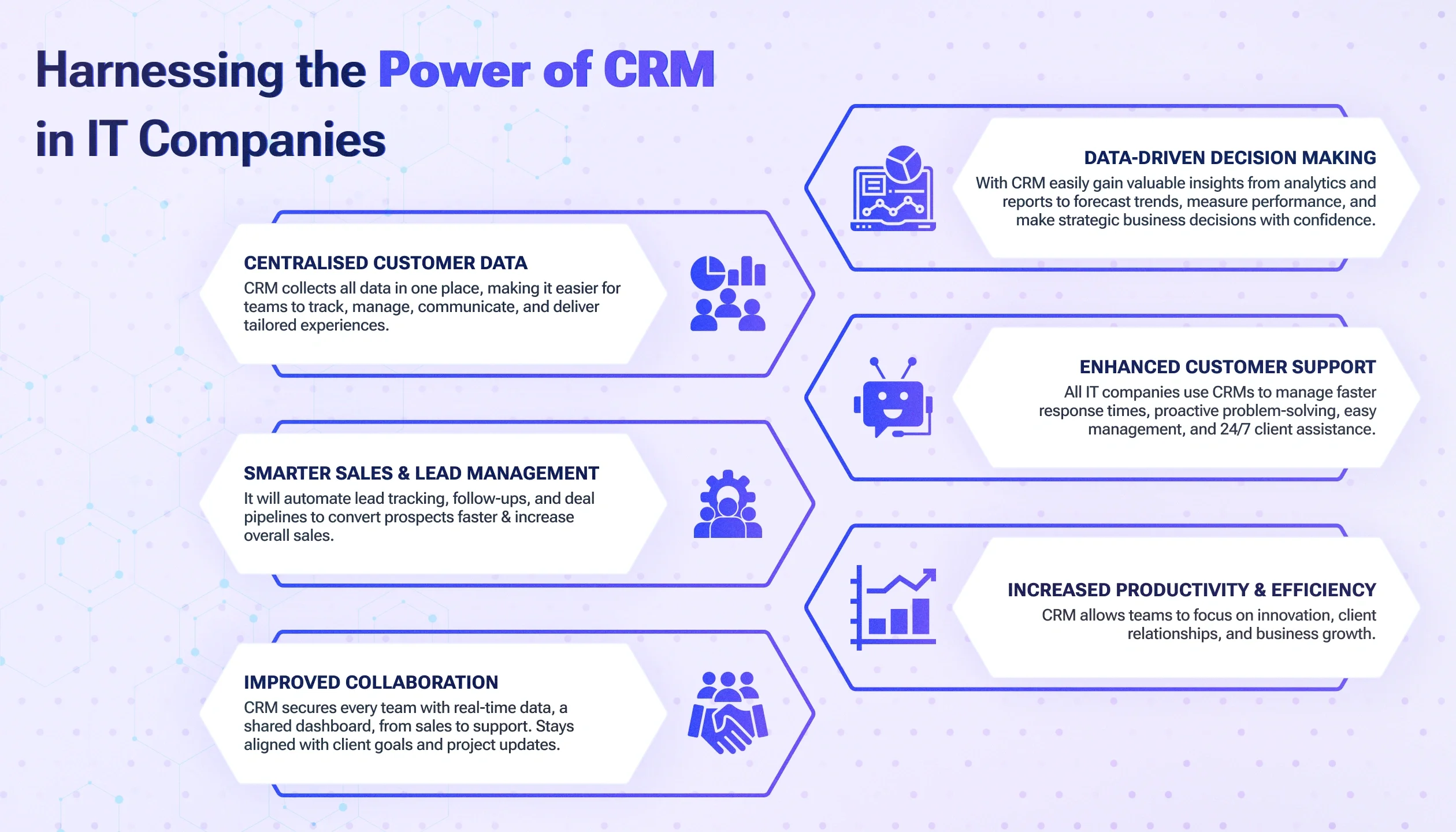
The Power of CRM for Logistics Companies:
Enhanced Customer Relationships: CRM enables logistics companies to understand their customers' needs, preferences, and behaviors better. By centralizing customer data, logistics companies can personalize their services, provide tailored solutions, and offer exceptional customer experiences. This leads to increased customer satisfaction, loyalty, and retention.
Streamlined Operations: CRM systems streamline various logistics processes, including order management, inventory control, and shipment tracking. By automating routine tasks and providing real-time insights, CRM reduces manual errors, improves operational efficiency, and enables faster decision-making. This ultimately results in cost savings and improved productivity for logistics companies.
Improved Communication and Collaboration: Effective communication is essential in the logistics industry, where multiple stakeholders are involved in the supply chain. CRM platforms facilitate seamless communication and collaboration among internal teams, external partners, and customers. This ensures transparency, reduces delays, and enhances overall coordination, leading to smoother logistics operations.
Scalability and Flexibility: As logistics companies grow and expand their operations, CRM systems provide scalability and flexibility to accommodate changing needs. Whether it's adding new functionalities, integrating with third-party applications, or expanding into new markets, CRM platforms can adapt to evolving business requirements. This scalability ensures that logistics companies can sustain their growth trajectory without compromising efficiency or customer satisfaction.
CRM Abbreviations in Logistics:
SCM: Supply Chain Management
TMS: Transportation Management System
WMS: Warehouse Management System
ERP: Enterprise Resource Planning
KPI: Key Performance Indicator
ROI: Return on Investment
SLA: Service Level Agreement
Conclusion:
CRM plays a pivotal role in the success of logistics companies by optimizing customer relationships, streamlining operations, and enabling data-driven decision-making. By leveraging CRM effectively, logistics companies can differentiate themselves in a competitive market, drive operational excellence, and achieve sustainable growth. As technology continues to evolve, CRM will remain a cornerstone of success for logistics companies looking to thrive in the digital age.